Keeping your chimney clean is essential for maintaining a safe and efficient fireplace. One question that frequently arises among homeowners is how often they should sweep their chimneys. The answer isn't as straightforward as one might hope, as it depends on several factors, including usage patterns, the type of fuel burned, and the specific conditions in your area. Understanding these elements can help you make informed decisions about your chimney maintenance.
The Importance of Regular Chimney Sweeping
Chimney sweeping is not just a chore; it plays a crucial role in ensuring safety and efficiency in your home. When soot and creosote build up inside the chimney, they can create serious fire hazards. Creosote is a byproduct of burning wood and can accumulate quickly, especially if you frequently use your fireplace. According to the National Fire Protection Association (NFPA), failure to clean chimneys is one of the leading causes of house fires in the United States.
Beyond fire prevention, regular sweeping also enhances the efficiency chimney repair in Cleveland Ohio of your heating system. A clean chimney allows smoke to exit freely, ensuring that your fireplace or stove operates at optimal performance. If you've ever experienced poor draft or excessive smoke back into the room, it could be due to a blocked or dirty chimney.
How Often Should You Sweep Your Chimney?
A general guideline suggests that homeowners should have their chimneys inspected and cleaned at least once a year. However, this recommendation varies based on several factors:
Frequency of Use: If you use your fireplace regularly—say, several times a week during winter—you might need to sweep more often than once a year. For heavy users, consider scheduling a cleaning every few months.
Type of Fuel: Different fuels produce varying levels of soot and creosote. Wood-burning stoves can lead to higher creosote buildup compared to gas or pellet stoves. If you primarily burn seasoned hardwoods rather than softwoods or unseasoned wood, you may find that creosote accumulates more slowly.
Flue Design: The design and size of your flue can impact how quickly it accumulates soot and debris. A smaller flue may require more frequent cleanings due to limited airflow.
Local Climate: In regions with high humidity or frequent rain, moisture can cause creosote to accumulate faster and create issues like mold growth inside the chimney.
Signs of Trouble: Pay attention to signs that indicate you need an immediate cleaning—such as strange odors from your fireplace, difficulty starting fires, or smoke entering your home instead of exiting through the chimney.
When Is the Best Time for Chimney Sweeping?
Timing matters when it comes to chimney maintenance. While many people think about getting their chimneys swept in late fall before they start using their fireplaces heavily for winter, scheduling a cleaning during spring or summer has its advantages too.
Spring sweeps allow homeowners to identify any damage caused by winter weather while also preparing the chimney for summer storage if you're using it less frequently during warmer seasons. Additionally, scheduling off-peak season appointments might save you money since demand tends to be lower.
What Happens During a Chimney Cleaning?
When you hire professionals for chimney cleaning—like those from Lewis Chimney and Masonry in Cleveland—you can expect them to follow specific procedures that ensure thorough maintenance:
- Inspection: Before any cleaning begins, a technician will inspect both the interior and exterior components of your chimney system. Cleaning Process: Using specialized brushes designed for different flue sizes and types, technicians will scrub away soot and creosote buildup from inside walls. Debris Removal: They will also clear any blockages like leaves or bird nests found within the flue. Final Inspection: After cleaning is completed, another inspection ensures everything is functioning correctly without damage.
Understanding Creosote Buildup
Creosote buildup occurs from incomplete combustion during burning processes; it's essentially a sticky substance made primarily from carbonized wood particles mixed with tar-like chemicals produced when wood doesn't burn completely under certain conditions — think low temperatures where fires are smoldering instead of roaring hot flames.
There are three stages of creosote:
Stage 1: This stage appears as light brown flakes easily brushed away; it's not particularly concerning but indicates that some level exists.
Stage 2: At this point, it becomes tar-like black soot that sticks firmly onto surfaces; you'll want professional assistance at this stage.
Stage 3: This form resembles hard glaze deposits which are extremely difficult (if not impossible) to remove without specialized tools—but they signify severe risk potential for house fires.
Understanding these stages helps gauge whether it's time for maintenance—if you notice Stage 2 accumulation despite regular yearly sweeps; then additional cleanings may be warranted throughout colder months when usage peaks.
Additional Maintenance Tips
While regular sweeping keeps things safe inside the flue itself—there are other areas needing attention too:
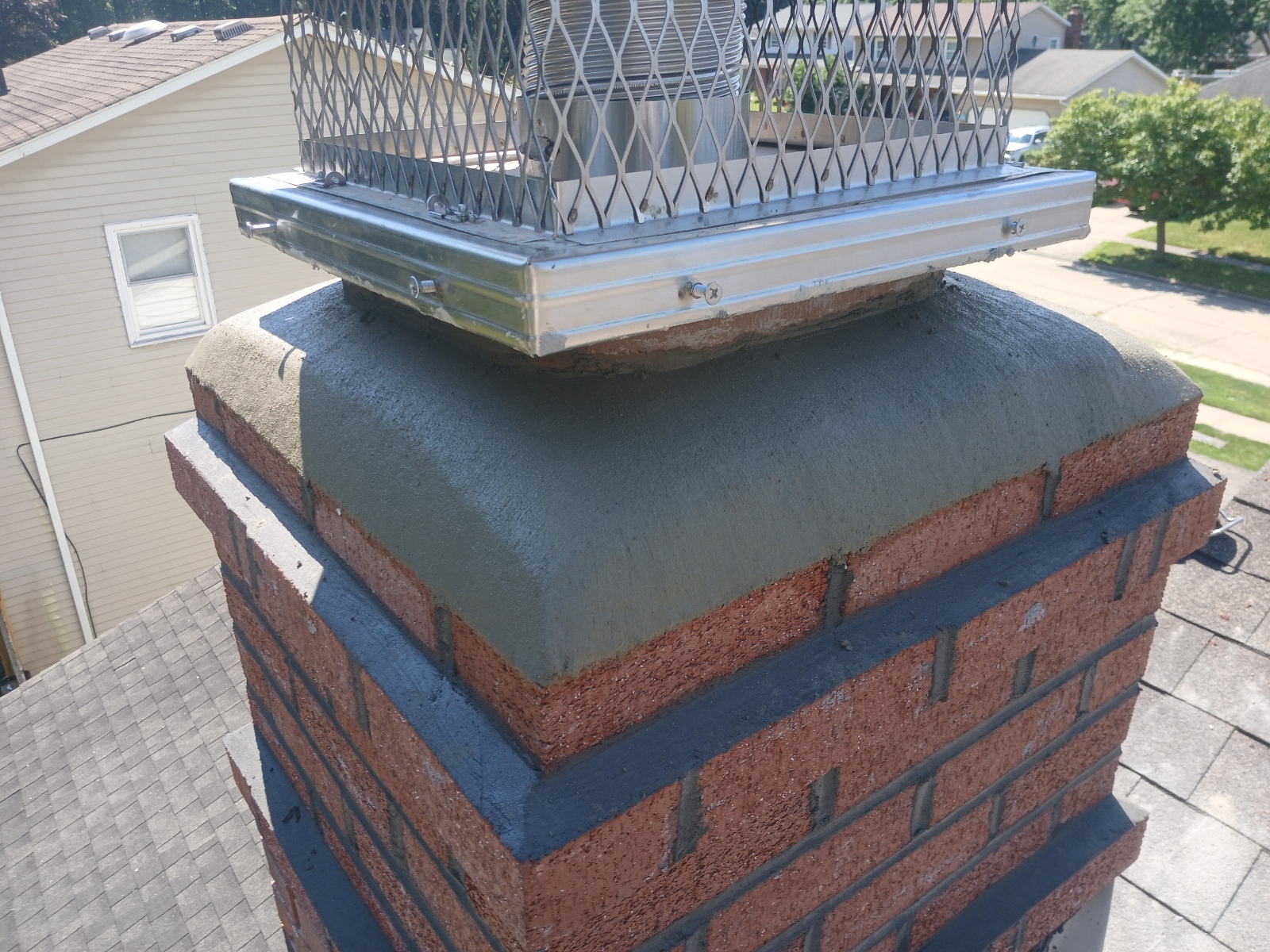
- Check for cracks around masonry joints on exterior surfaces—this could lead water infiltration which damages structural integrity over time. Ensure all vents are clear; any obstruction compromises airflow not just within but into living spaces too! Look out for animals attempting entry—they love cozy spots! Installing caps prevent unwanted guests while keeping debris out too.
If significant wear appears on bricks/mortar joints consider consulting experts like Lewis Chimney & Masonry who specialize in repairs alongside routine maintenance services!
The Value of Professional Help
Many homeowners feel confident enough tackling basic tasks themselves but underestimate complexities involved with comprehensive inspections/cleaning jobs! Hiring professionals ensures compliance with safety standards while offering peace-of-mind knowing everything's handled correctly from start-to-finish—often saving money down-the-line by preventing larger issues arising later-on!
Choosing reliable service providers matters greatly; look into reputable companies such as Lewis Chimney & Masonry based locally in Cleveland Ohio—they understand regional challenges faced regarding weather impacts on chimneys specifically tailored solutions offered based upon each individual context!
Final Thoughts on Chimney Care
Your fireplace brings warmth and comfort into your home but requires diligent upkeep—it’s worth investing time/money ensuring safety through proper care routines! Regularly scheduled sweeping inspections help avoid perilous situations resulting from neglect while enhancing overall efficiency so everyone enjoys cozy evenings without worry!
Before firing up that first log this winter season take stock of current conditions—if unsure don’t hesitate reaching out local experts who’ll assess needs accurately helping keep families safe year-round!